
Understanding the New FDA Rules for Drug Ads
When it comes to prescription drug advertising, few things shape public perception as strongly as what we see and hear on TV. Those friendly voices, reassuring images, and catchy taglines can spark curiosity, build trust- and influence patient decisions in powerful ways. Recognizing this impact, the U.S. Food and Drug Administration (FDA) has stepped in with a few standards to transform how drug advertisements communicate with the public. These rules are never meant to silence creativity - but to let clarity speak louder. It mandates that Direct-to-Consumer (DTC) prescription drug advertisements on television and radio must present their major statement - the part detailing side effects and contraindications - in a “clear, conspicuous, and neutral” manner.1
Why the FDA Rule Matters Now
In an era where pharmaceutical ads rival lifestyle campaigns in polish and production value, the balance between storytelling and substance often tilts toward persuasion. Drug manufacturers spend billions each year on DTC advertising, and research shows that these ads significantly influence patient behavior- from scheduling appointments to requesting specific prescriptions.
Yet, while the benefits are often conveyed with emotional appeal, the risks - arguably the most crucial information- can get lost in the noise. Too fast. Too complex. Too overshadowed by serene visuals or soothing music. The FDA’s new rule addresses this imbalance. It is the government’s way of ensuring that consumers notice, understand, and process the safety information that can affect real-world health decisions.
What Exactly Does the Rule Require?
The regulation amends 21 CFR Part 202, introducing five clear standards that collectively define how risk information must be presented in DTC TV and radio ads. These standards are designed to eliminate ambiguity and ensure that the “major statement” speaks directly, clearly, and credibly to viewers and listeners.1
1. Use Consumer-Friendly Language
The message must be conveyed in terms the average person can understand - no dense medical jargon, no ambiguous phrasing. Plain, everyday language that communicates the risks and side effects clearly is the foundation of compliance.
2. Make Audio as Understandable as the Rest of the Ad
If the benefits are described at a normal pace and volume, the same standard applies to the risks. The FDA now requires that volume, articulation, and pacing of the major statement be at least as understandable as the rest of the commercial. No more rushed disclaimers or muffled voiceovers competing with background music.
3. Present Audio and Text Simultaneously (Dual Modality)
For television ads, risk statements must be presented in both audio and text at the same time- a rule known as dual modality.
The text must either display:
- Key phrases or the entire transcript of the spoken audio; and
- Stay on screen long enough to be easily read.
This ensures that even viewers who might miss the audio can still grasp the message visually.
4. Ensure Text is Readable and Well-Placed
Typography matters. The text displaying risk information should appear in a contrasting background, in a size and style that’s easy to read, and positioned so that it commands attention. The FDA specifically warns against fine print, decorative fonts, or fleeting displays that compromise readability.
5. Eliminate Distracting Elements
When discussing risks of a drug, the focus should stay on the information itself. Avoid distracting visuals or sounds during the risk narration, so the audience fully understands the facts and feels confident making informed decisions.
The goal is simple: When the risks are being discussed, the viewer’s attention must be on those risks- not elsewhere. People recall and comprehend risk information better when it is presented transparently. Clarity drives comprehension, and comprehension builds informed decision-making.
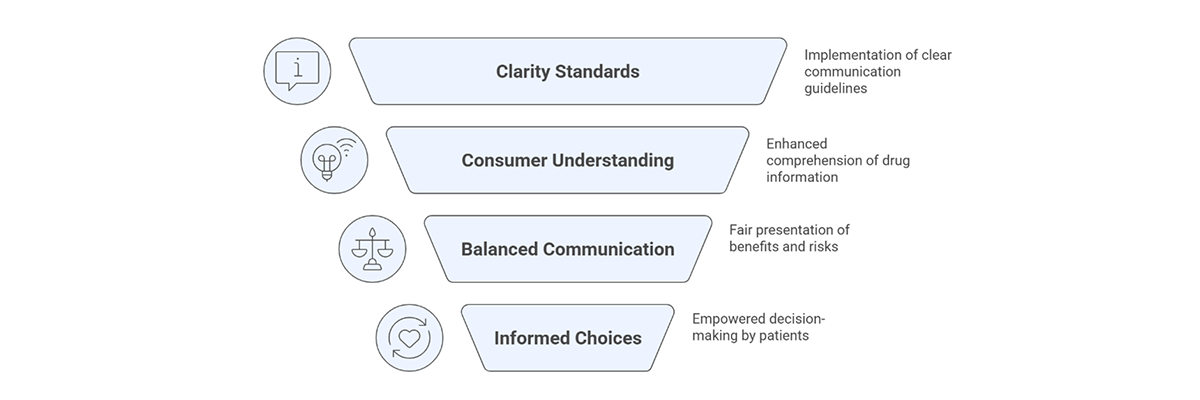
Figure 1. Co-creating Research Narratives. Illustration created using Napkin AI (AI-generated image for illustrative purposes only).
Implications for Pharma Marketers and Advertisers
For creative teams in healthcare marketing, the new rule signals a pivotal shift from aesthetics alone to ethical transparency. It doesn’t demand dull advertising- it demands responsible storytelling.
Here’s what the rule means in practice:
- Scriptwriters must rethink the rhythm of their narrative, ensuring that risk sections flow naturally and clearly.
- Producers must balance visuals and audio cues so that nothing competes with risk messaging.
- Medical reviewers must verify that every claim- both positive and cautionary- meets evidentiary and linguistic standards.
- Compliance teams must update SOPs and review processes to align with the FDA’s five standards
A Broader Public Health Perspective
The FDA’s ultimate goal is not punitive- it’s protective. By mandating clarity, the agency aims to:
- Reduce misunderstanding of drug risks, which can lead to misuse or non-adherence.
- Encourage informed conversations between patients and healthcare providers.
- Promote transparency that strengthens public trust in both medicine and media.
When patients are empowered with accurate, digestible information, they become active participants in their care- not passive recipients of persuasion.
The New Era of DTC Communication
Pharmaceutical advertising is no longer just about TV - it’s moving into streaming platforms, podcasts, and social media. While these rules directly target traditional broadcasts, their core principle - clear, honest, and easy-to-understand communication - applies to all forms of digital health marketing.
For advertisers, this is a chance to set the standard by combining creative storytelling with scientific accuracy. For viewers, it means clearer information, greater transparency, and a better understanding of the medicines being promoted.
Conclusion
The FDA’s new standards bring humanity into healthcare communication. It’s not about ticking compliance boxes; it’s about ensuring that every word a patient hears feels understandable, trustworthy, and real. Because the moment we trade complexity for clarity, we stop advertising medicine - and start communicating health.
Disclaimer
Based on HealthMinds’ experience and interpretation. For informational purposes only.
Copyright disclaimer: © 2025 HealthMinds Consulting Pvt. Ltd. All rights reserved.
Reference
- U.S. Food and Drug Administration. Direct-to-Consumer Prescription Drug Advertisements: Presentation of the Major Statement in a Clear, Conspicuous, and Neutral Manner in Advertisements in Television and Radio Format. Federal Register. 2023 Nov 21;88(223):80958–81010. Available from: https://www.federalregister.gov/documents/2023/11/21/2023-25684/direct-to-consumer-prescription-drug-advertisements-presentation-of-the-major-statement-in-a-clear